
With the innovation and development of LED display technology, rental LED displays are widely used in large-scale events such as stage backdrops, bar entertainment, weddings, concert halls, and conferences. The stability of rental LED displays plays a crucial role throughout the entire event, especially for on-site performances.
Their main application is as stage backdrops. The high requirements for creating virtual space effects and color application make LED display systems a core element of stage creativity, leading to their widespread adoption.
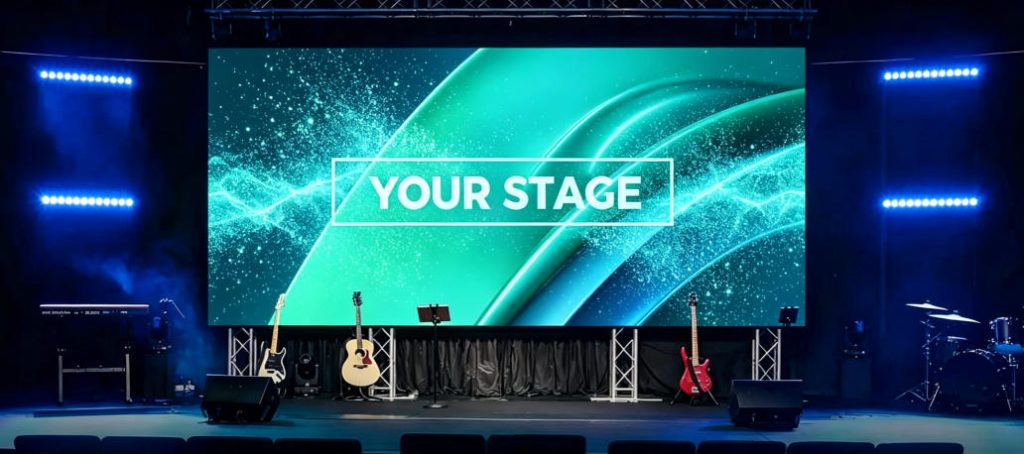
Rental LED displays are commonly used in large concerts, TV stages, and performance venues. To understand the price of stage LED displays, you first need to learn about the various components that make up their pricing. Below is a detailed stage LED display plan for your reference:
1. Application Plan Overview
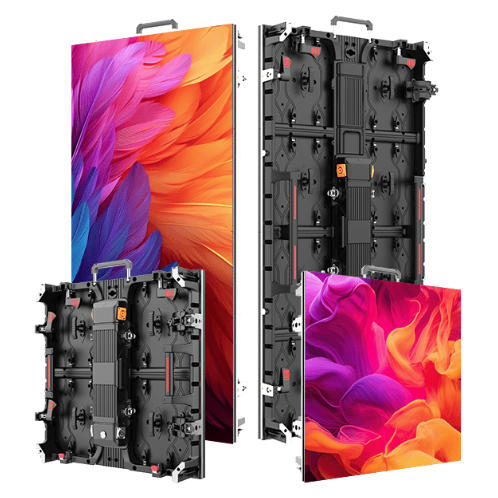
We use compact rental LED displays made of patented die-cast aluminum cabinets, which greatly improve the appearance and functionality of the panel. The LED cabinets are thin, light, and sleek, with high splicing accuracy, making installation, disassembly, and maintenance extremely convenient. They also offer excellent safety, efficiency, and ease of installation.
2. Functions of Stage Rental LED Displays
Live Streaming: Large, clear live images break the limitations of seating, making it easier for audiences to watch performances from a distance.
Wonderful close-up shots, slow-motion replays, and free changes of various stage backdrops maximize the artistic conception of the performance.
The perfect combination of realistic images and shocking music creates a dreamlike stage backdrop.
3. Features of Stage Rental LED Displays
High-definition and perfect image quality, delivering a brand-new visual experience that reflects the latest technology.
High refresh rate of over 1920Hz and 14-bit high grayscale, ensuring realistic images that meet the high visual quality requirements for commercial use.
Automatic brightness adjustment function: Adjusts the display brightness automatically according to changes in indoor and outdoor light, achieving energy conservation and environmental protection.
High-precision processing: Die-cast aluminum cabinets are finished with CNC precision machining, with a dimensional tolerance of less than 0.2mm. The LED cabinets feature seamless splicing and standardized design, allowing arbitrary assembly for an elegant and high-end look.
Specific models support staggered splicing to achieve more shapes. The curved scale edge lock design on the side of the cabinet enables splicing at any angle from -15 degrees to 15 degrees.
Easy to assemble and disassemble, reducing labor costs.
Zero noise with fanless design, saving more than 30% energy compared to traditional displays and providing a quiet working environment.
Professional audio and video processing system: Supports the processing of multiple signals to ensure high-fidelity image signal playback and enable live streaming.
Equipped with flight cases for easy storage and transportation of LED rental cabinets, providing protection for the display panels.
Outdoor models have an IP65 protection level, which is waterproof and dustproof, suitable for outdoor use.
Tailor-made LED display solutions according to customer requirements and on-site environments.
4. Common Models of Large Stage Rental LED Displays
The common models are P3, P3.91, P4, P4.81, and P5. The smaller the number, the higher the clarity. For regular models (P3, P4, P5):
- P3: Cabinet size 576mm576mm
- P4: Cabinet size 512mm512mm or 768mm768mm
- P5: Cabinet size 480mm480mm or 640mm640mm
To facilitate the calculation of stage display size, we have launched full-color models P3.91 and P4.81, with cabinet sizes of 500mm500mm or 500mm1000mm. The main components of full-color rental LED displays include: LED chips, packaging technology, IC driver chips, power supplies, control cards, PCB boards, module kits, and masks.
5. Notes for Purchasing LED Displays
Whether customizing indoor or outdoor LED displays, first determine the display size:
After determining the display size, select the specific model:
For a display of about 8 square meters, it is recommended to choose P4 or P5; for a more cost-effective option, P6 is also acceptable, but P7.62 or P8 is not suitable.
For a display of more than 50 square meters, you can choose P4, P5, P6, or P7.62. If the production cost allows, P5 will certainly provide clear display effects, while P6 and above are more cost-effective. The larger the pixel pitch, the longer the optimal viewing distance.
Common Specification 1: P4 LED display with a pixel density of 62,500 dots per square meter. The standard module size is 256mm128mm, and the standard display cabinet size is 512mm512mm or 768mm768mm. It offers excellent high definition but has a higher production cost. The recommended display area is more than 3 square meters, and the optimal viewing distance is 4-47 meters.
Common Specification 2: P5 LED display with a physical pixel density of 40,000 dots per square meter. The standard module sizes are 160mm160mm and 320mm160mm, and the corresponding standard display cabinet sizes are 480mm480mm or 640mm640mm. The optimal viewing distance for the P5 color LED display is more than 5 meters (5-50 meters). Our P5 color display adopts 1/16 constant current dynamic scanning, with a brightness of over 1800cd/m², which is sufficient to meet indoor brightness display needs with clear images. The recommended display area is more than 8 square meters. It is currently the most comprehensive outdoor full-color display in terms of protection performance, high definition, and high brightness, and is also the most popular indoor high-definition LED display among users.
Common Specification 3: P6 LED display with a physical pixel density of 27,777 dots per square meter. The standard module size is 192mm192mm, and the standard display cabinet size is 576mm576mm. As the most commonly used LED electronic display among indoor full-color displays, the optimal viewing distance for the P6 indoor electronic screen is more than 6 meters (5-52 meters). The recommended display area is more than 10 square meters.
After determining the size and model, combined with the customer’s personalized requirements, an overall quotation plan can basically be provided.
LED display control system: Generally, there are two main brands of control systems for indoor full-color LED displays: Novastar (Xi’an) and Linsn (Shenzhen).
Supporting equipment mainly includes: 1 desktop computer with an independent graphics card, video processor, surge arrester, sound system, power amplifier, power distribution cabinet, and air conditioner. In actual projects, some of these products are optional rather than necessary.
Finally, the materials and installation of the steel structure: Generally, there are two main installation methods for outdoor LED displays: wall-mounted installation and column-mounted installation. The prices and construction of the two are slightly different.
6. Important Factors to Consider When Installing LED Displays
Engineers installing LED displays must have excellent technical skills. Usually, the following important points must be mastered to provide customers with a satisfactory result:
Pre-installation survey: This is relatively important. The display should be designed according to the on-site construction conditions, and the reasonable combination of the installation site and the display is an important step in the LED display installation process.
LED display installation: Customers may have an understanding of steel structure construction, but generally have little knowledge of the wiring and splicing of LED displays. Therefore, professional engineers must provide guidance, and the final display operators of the other party need to participate to gain a better understanding of the display.
Steel frame design: Generally, within 3-5 days after signing the contract, the LED electronic display installation engineer will design the steel frame structure according to the on-site conditions and the actual situation of the LED display and hand it over to the construction party. After receiving the drawings, the construction party will purchase relevant materials according to the drawings and plan the steel structure production.
Technical training for LED displays: During the production of the display, customers can send personnel to the LED display manufacturer to learn LED display operation and simple spare parts replacement technology.
Calculation of display power and power distribution facilities: In the early stage of installation, it is necessary to plan the power consumption of the display and the size of the power distribution cabinet. The LED display manufacturer calculates the actual power consumption according to the actual situation of the display and cooperates with the construction party.