
I’ve been working with event companies, AV integrators, and stage production teams for more than 10 years, and honestly, the conversations today are very different from what we had five years ago. Back then, most buyers just wanted “a cheaper LED screen.” Now they ask whether the cabinet supports curved installation, virtual production, front maintenance, XR shooting, or fast touring assembly.
Some of these trends are driven by technology. Others come directly from pressure in the rental market itself. Labor costs are higher. Event schedules are tighter. Clients expect more visual impact with less setup time.
Below are the rental LED display trends I believe will shape the market throughout 2026.
1. Ultra-Lightweight Cabinets Are Becoming Standard
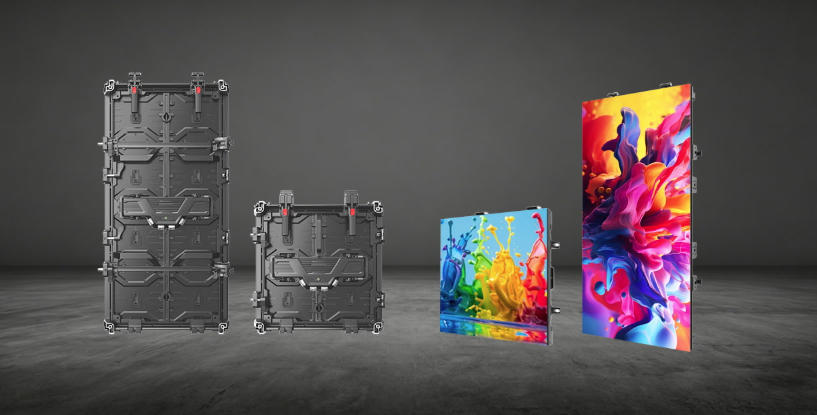
A few years ago, lightweight cabinets were mostly a selling point.
Now they’re almost expected.
Many rental companies are replacing older steel cabinets with die-cast aluminum designs because transportation and labor costs keep increasing. When a crew needs to build a large stage overnight, every kilogram matters.
We recently discussed a music festival project in Southeast Asia where the client reduced loading time by almost 30% after switching to newer lightweight rental LED panels. Less fatigue for the crew too, which honestly becomes important during multi-day events.
In 2026, I think more rental screens will move toward:
- thinner cabinets
- fast-lock systems
- integrated power boxes
- tool-free maintenance
People underestimate how valuable those small improvements become during real installations.
2. Fine Pixel Pitch Is Moving Into Rental Projects Faster Than Expected
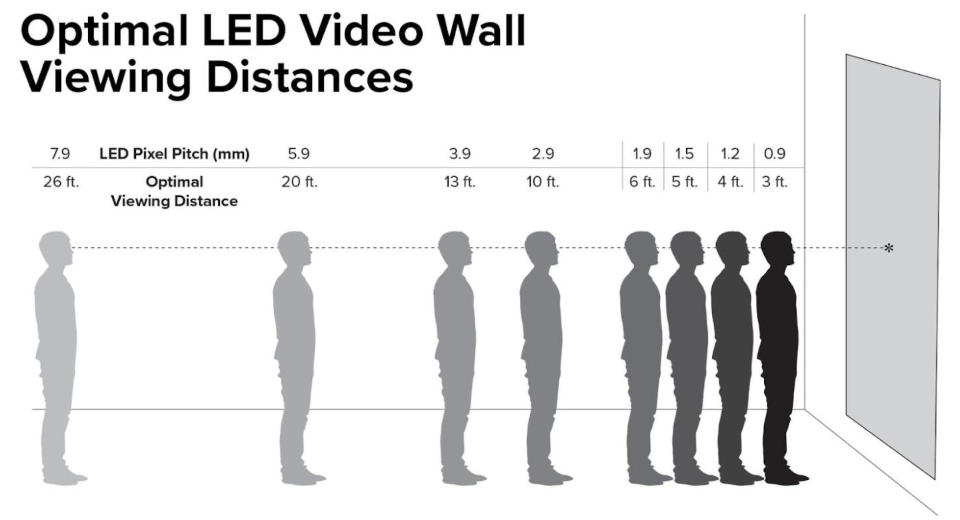
There was a time when P3.91 dominated almost every rental project.
Not anymore.
Corporate events, luxury brand launches, esports stages, and XR production environments are pushing demand toward P2.6, P2.9, and even finer.
One thing I noticed in 2025: many event organizers now care more about camera output than live audience viewing distance. They know clips from the event will end up on YouTube, Instagram, TikTok, LinkedIn… so screen quality becomes part of the marketing itself.
For indoor conferences especially, low pixel pitch rental LED displays are becoming normal instead of premium.
Of course, there’s still a balance. Ultra-fine pitch screens look great, but they also require more careful handling during touring projects. A lot of rental companies are still figuring out where profitability makes sense.
3. Curved and Creative LED Installations Keep Growing
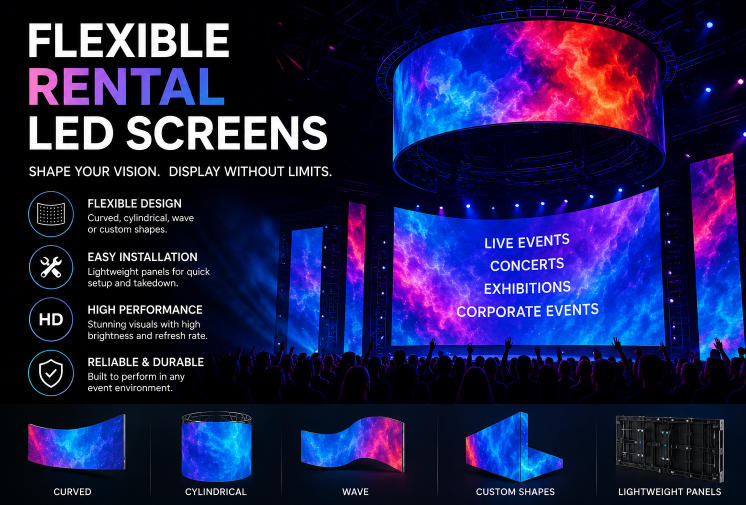
Flat LED walls are not disappearing, but clients want more creative structures now.
Especially for:
- concerts
- fashion events
- auto shows
- exhibitions
- immersive experiences
Curved LED walls used to be difficult and expensive. Modern rental cabinets make it much easier because many support ±5° or ±10° curve adjustment directly from the cabinet locks.
I remember a trade show project where the client originally planned a standard backdrop. Two weeks before installation, they suddenly changed the design to a curved tunnel entrance with LED ceiling panels. Ten years ago, that would have been a nightmare. Today, modular rental systems make those changes possible.
Creative displays are becoming a competitive advantage for rental companies.
Not just screen suppliers.
4. Virtual Production and XR Stages Are Influencing Rental LED Design
Virtual production is no longer limited to Hollywood-level budgets.
More studios, streaming companies, and even corporate brands are experimenting with XR stages.
That changes LED requirements completely.
Now buyers ask questions like:
- What’s the refresh rate?
- Does it support genlock?
- How’s the scan rate under camera shooting?
- Any moiré issues?
Some traditional rental screens simply don’t perform well under professional cameras.
In 2026, manufacturers focusing only on “brightness” may struggle because camera-friendly LED performance matters much more than before.
A lot of rental companies are slowly upgrading inventory specifically for hybrid events and broadcast applications.
5. Outdoor Rental LED Screens Need Better Weather Protection
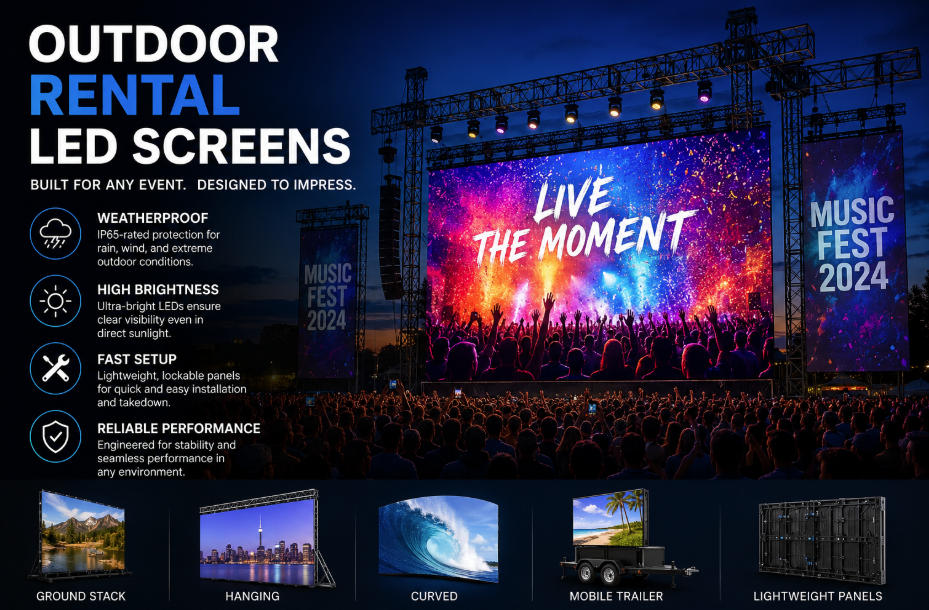
Outdoor events are becoming more ambitious.
At the same time, weather is becoming less predictable.
Heavy rain, humidity, dust, sudden temperature changes… all of this affects rental equipment. In some regions, event organizers now specifically request higher waterproof ratings before approving projects.
IP65 front protection is becoming more common in outdoor rental products.
Another thing I’ve noticed: clients increasingly care about stability during long operating hours. Festivals running 12-16 hours per day put serious stress on LED systems.
Good thermal management matters more than many people think.
A screen that survives a factory test is not always enough for real-world touring conditions.
6. Fast Installation Is Becoming a Major Selling Point
This trend is probably underestimated.
Many buyers still compare LED screens mainly by price, but rental companies themselves are focusing heavily on installation efficiency.
Why?
Because labor is expensive now.
In Europe and North America especially, reducing setup time by even 2-3 hours can save a lot during large productions.
That’s why we see growing demand for:
- quick-lock systems
- magnetic modules
- front & rear maintenance
- modular hanging systems
- integrated signal distribution
One client told me directly:
“I’d rather pay slightly more for cabinets that save my crew six hours.”
Honestly, that mindset is spreading quickly.
7. Energy Efficiency Is Finally Getting Attention
For years, nobody really talked much about LED screen power consumption unless it was a permanent installation.
Rental projects are changing that.
Large touring events consume huge amounts of electricity. Some venues even place restrictions on total power usage now.
More buyers are asking:
- average power consumption
- heat output
- energy-saving ICs
- common cathode technology
In Europe especially, sustainability conversations are influencing purchasing decisions more than before.
Not every client asks about this yet.
But the direction is clear.
8. Transparent Pricing Is Becoming Important
This is less about technology and more about the rental business itself.
Clients today research much more before contacting suppliers. They compare specifications, shipping dimensions, installation methods, and pricing expectations online.
Some manufacturers still hide basic information on product pages.
Personally, I think that’s outdated now.
The companies gaining trust in 2026 are usually the ones sharing:
- real project photos
- actual specifications
- cabinet weight
- maintenance methods
- application recommendations
Buyers can tell very quickly whether a supplier understands real event work or just copies product descriptions.
9. Hybrid Events Continue to Influence LED Demand
Hybrid events never fully disappeared after the pandemic years.
Now they’re simply part of the industry.
Many conferences still combine:
- physical audiences
- livestream production
- remote speakers
- social media broadcasting
Because of that, rental LED displays need to perform well both on-site and on camera.
A screen that looks fine to the human eye may still create flickering issues during live broadcasting.
This is why low-latency processing and high refresh rate remain important trends in 2026.
Especially for corporate AV companies.
10. Clients Want More Than Just Screens
This might be the biggest shift overall.
Rental LED display is becoming solution-oriented instead of product-oriented.
Clients increasingly expect support with:
- stage design
- rigging suggestions
- processor selection
- camera compatibility
- installation drawings
- flight case optimization
- onsite technical advice
The suppliers winning larger projects are usually the ones acting like partners rather than only factories.
I’ve seen projects where the screen itself wasn’t even the deciding factor. The client chose the supplier because they solved practical installation problems faster.
That part of the business will only become more important.
What These Trends Mean for Rental Companies
The rental LED display market in 2026 feels more professional, but also more demanding.
Cheap products alone are no longer enough.
Event companies want:
- reliability
- faster setup
- better visuals
- camera-friendly performance
- creative flexibility
And honestly, many buyers are becoming surprisingly knowledgeable about LED technology. Some clients now ask technical questions that only engineers used to ask.
For rental companies, this means equipment decisions matter more than ever.
For manufacturers, it means understanding real event workflows is becoming just as important as improving specifications.
The market is still growing. Concerts are larger. Brand events are more immersive. Sports productions keep expanding. But competition is also stronger now, especially in the mid-range rental LED segment.
The companies that adapt fastest to these trends will probably lead the next stage of the industry.
FAQ
What is the most popular pixel pitch for rental LED display in 2026?
P2.6 and P2.9 are becoming very popular for indoor events, while P3.91 still remains common for many general rental applications.
Why are lightweight rental LED cabinets important?
Lightweight cabinets reduce transportation costs, improve installation efficiency, and lower crew fatigue during touring projects.
Are curved rental LED displays difficult to install?
Modern rental LED systems make curved installations much easier than before. Many cabinets now support quick angle adjustment without additional structure modifications.
What refresh rate is recommended for virtual production LED screens?
For XR and virtual production environments, high refresh rates above 3840Hz are commonly preferred to reduce camera flickering and moiré issues.
Is outdoor rental LED display waterproof?
Most professional outdoor rental LED displays use IP65-rated front protection to handle rain, dust, and outdoor event conditions.
What matters more now: brightness or camera performance?
For many events in 2026, camera performance is becoming just as important as brightness because content is heavily shared online and livestreamed.